How digital marketing works for activity centers, and why our park sees a 5.4x return

The visibility gap is costing you revenue
Here's a reality check: If people don't know you're there, they're simply not going to come.
We've talked to countless park operators who have been around for decades: sometimes 20, 30, or even 40 years, and they still regularly receive customer feedback like:
"Hey, we didn't know you were here!"
Even from people who live just a few kilometers away. This visibility gap is costing parks revenue every single day.
Proven results: what we're seeing
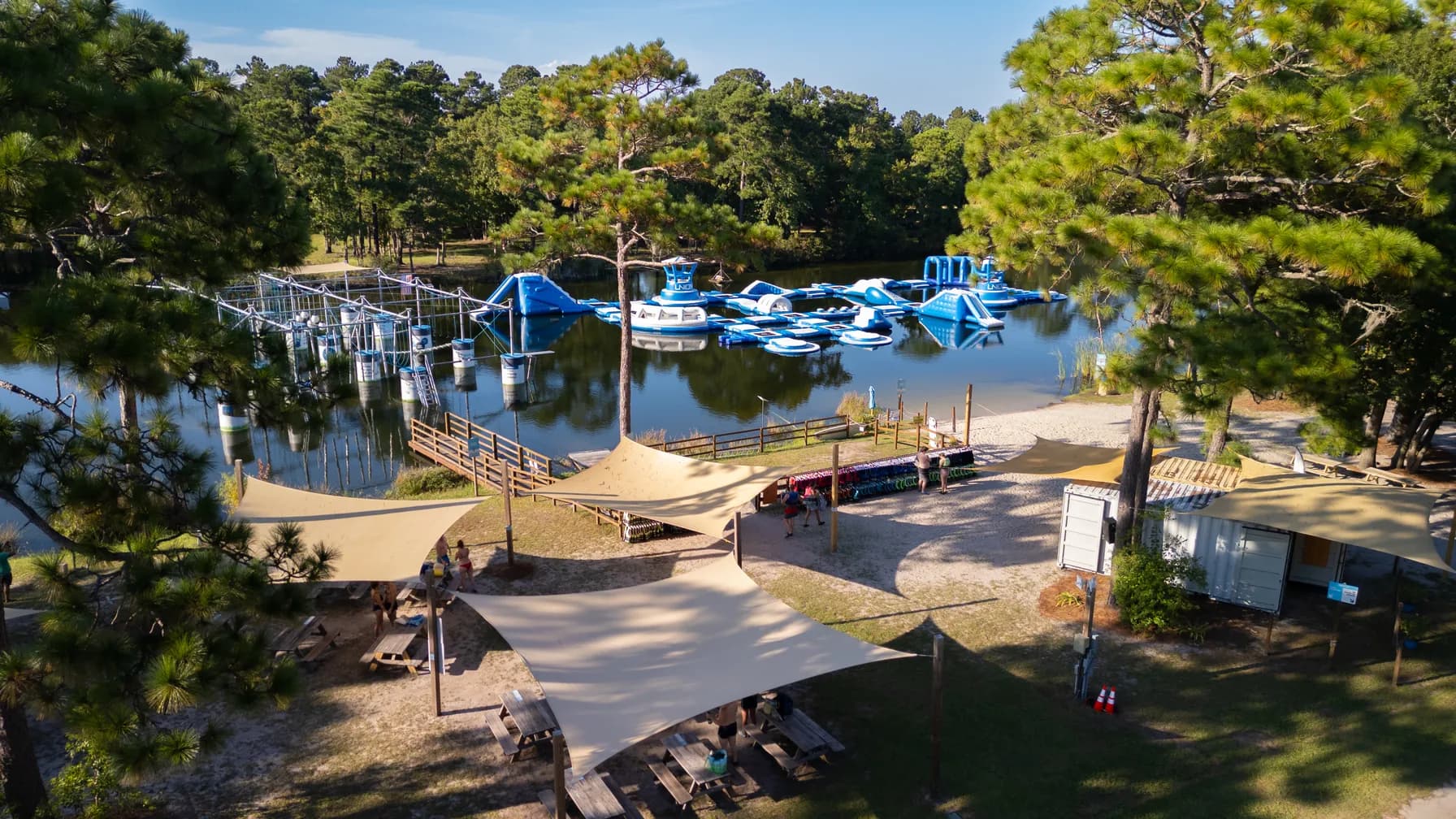
At our own park, Charleston Aqua Park, the 2026 season returned 5.4x on ad spend: $79,782 on Meta and Google ads (Meta to 24 September, Google to 7 August) against $430,138 in bookings the ad platforms attribute to the campaigns. The platforms trace about half of the park's 2026 revenue back to those campaigns.
Transparency note
We want to be honest: Online marketing doesn't always work for every park, and success depends on various factors. However, based on our experience, it's definitely worth trying, especially if you're looking to grow your customer base and increase bookings.
The old way vs. The new way
Old approach: manual targeting
The old approach involved manually creating target groups. For example, targeting women aged 35-45 within a 100km radius to reach mothers with children aged 6-16.While this method had its place, today's platforms work very differently.
New approach: AI-driven discovery
Meta (Facebook and Instagram) and Google now rely heavily on machine learning and AI to find the right customers for your business. These systems learn and improve with every interaction, becoming more effective over time.How machine learning marketing works
For this machine learning to work effectively, the platforms need detailed data to train their algorithms. This means sharing booking data and encrypted customer information with Meta and Google so they can learn from every purchase who your park's customers are.
The platforms then use this data to:
- Target your existing customers with relevant ads
- Find new customers who are similar to your best customers
- Continuously refine their targeting as they learn more about your business
What makes campaigns succeed (or fail)
The success of online marketing campaigns hinges on several critical elements:
1. The right images and videos
High-quality visuals are essential for ads to perform well. Think:- Action shots of guests having fun
- Happy families experiencing your park
- Unique features that set you apart
2. Quality products and offerings
Your products need to resonate with your target audience:- Compelling packages
- Clear pricing
- Easy-to-understand offerings
3. Proper setup and optimization
Technical setup matters:- Correct pixel configuration
- Proper conversion tracking
- Landing page optimization
Why this only works with industry-specific software
It takes three things that rarely sit in one company:
- The real-world experience of running a park
- Understanding of what data to share with Meta and Google
- True comprehension of how online marketing works for our specific industry
The integration between your booking system and advertising platforms is what makes the machine learning work. Generic platforms can't provide this level of integration.
Getting started
Timeline to see results
Expect 2-3 months before seeing meaningful results. The algorithm needs time to learn.Budget considerations
Start with a budget you can sustain for at least 3 months. Consistency matters more than big bursts.Pricing structure
Our pricing is straightforward and aligned with your success:- One-time setup fee: $2,500. This covers account setup, initial campaign creation, and the first set of ads
- 15% commission on tracked revenue: We only succeed when you succeed. This applies to revenue we can directly track from advertising campaigns.
Capacity note
This offering is available on a first-come, first-served basis. Due to current capacity, we can only onboard a limited number of parks each season. If you're interested, reach out soon to secure your spot.After four years of running online marketing campaigns at our own park, we've seen remarkable results and are excited to bring this expertise to our customers.
Frequently asked questions
What return on ad spend can an activity park get from Meta and Google ads?
At our own park, Charleston Aqua Park, Meta and Google ads returned 5.4x in 2026: $79,782 in ad spend against $430,138 in bookings the ad platforms attribute to the campaigns. The platforms trace about half of the park's 2026 revenue back to those campaigns. Success depends on the right images and videos, products that appeal to your audience and correct tracking, and you should expect two to three months before results become meaningful.
How does Meta and Google ad targeting work for activity centers now?
Meta and Google now use machine learning to find your customers, instead of the manual target groups advertisers used to build, such as women aged 35 to 45 within 100 km. The platforms learn from your booking data and encrypted customer information, then show ads to your existing customers, find new people similar to your best ones, and keep refining as more bookings come in. That is why the connection between your booking system and the ad platforms matters so much.
What makes a park's online ad campaign succeed or fail?
Campaigns depend on good visuals, products people want, and a correct technical setup. The ads need action shots of guests having fun and the features that set your park apart, your packages need clear pricing, and the pixel, conversion tracking and landing pages have to be configured properly so the platforms can learn from every booking.
How long does it take for park advertising to show results?
Expect two to three months before you see meaningful results, because the platforms' algorithms need time to learn. Start with a budget you can sustain for at least three months, since consistency matters more than big bursts.
Chris Hilbert
Founder, wakesys
Park operator and software founder. Running Charleston Aqua Park and building wakesys to help activity centers succeed.